Plan Your Visit to Shrine
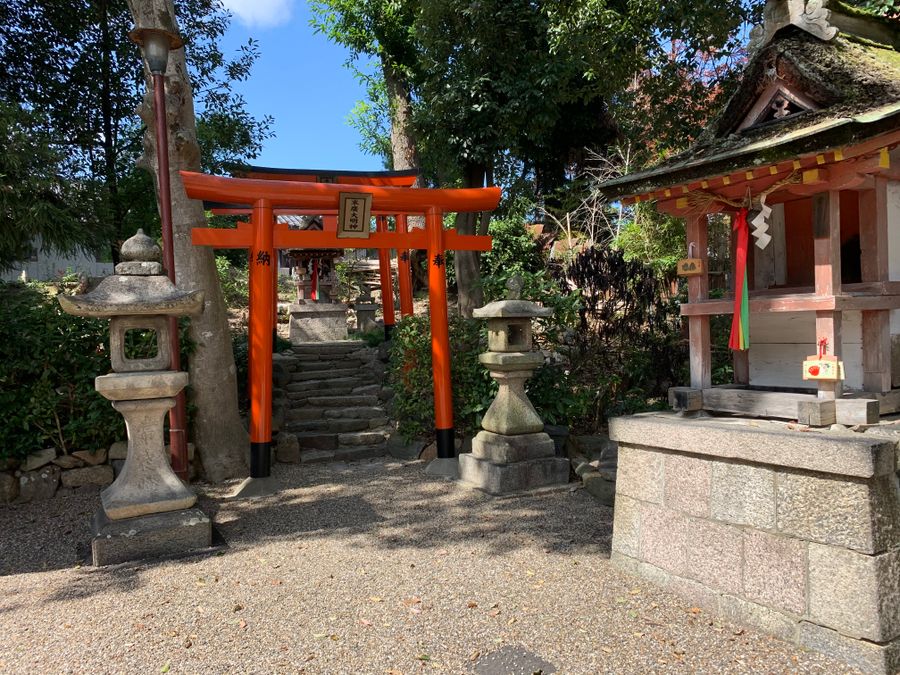
Meiji Jingu is a Shinto shrine set within a forested park in Shibuya, Tokyo, Japan, near Harajuku.

Meiji Jingu is a Shinto shrine set within a forested park in Shibuya, Tokyo, Japan, near Harajuku.
If you only need a standard entry ticket for Shrine, the official site is usually the best place to buy: current prices, timed slots, and exhibition notes come from the museum. If you want a smoother booking and check-in flow (mobile tickets, free cancellation on many offers, reserved entry, or city museum passes), a trusted ticketing partner can be a good alternative. Confirm the visit date before you book.

Best when you just need permanent-collection admission at Shrine. Timed entry is common in peak season.
Useful for reserved slots, mobile tickets, flexible cancellation on many listings, or stacking Shrine with other Japan sights in one plan.
Choose the official desk for simple museum entry. Choose a partner when reserved times or multi-stop Japan planning needs more flexible tools.
Hand-picked Shrine tickets and tours on Headout. Prices and availability update on the partner site; confirm inclusions before you book.


Mount Fuji Tour with Hakone Ropeway, Lake Ashi, Hakone Shrine, & More
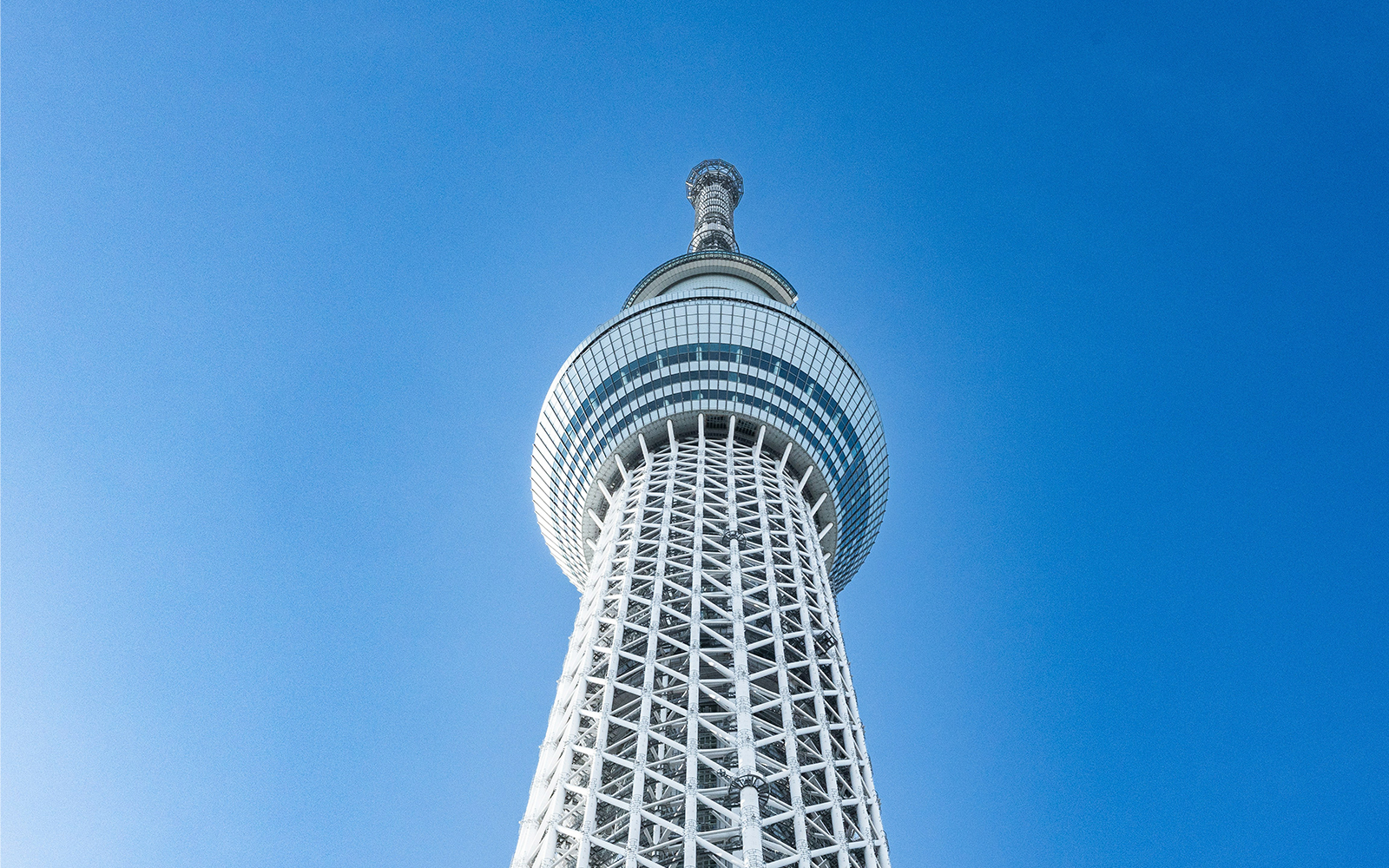
Tokyo Full‑Day City Tour with Tokyo Skytree, Meiji Jingu Shrine, Imperial Palace & More

Hiroshima & Miyajima Bus Tour with UNESCO-Listed Peace Memorial Park, Museum & Itsukushima Shrine

Meiji Jingu is a Shinto shrine set within a forested park in Shibuya, Tokyo, Japan, near Harajuku.
Dedicated to Emperor Meiji and Empress Shoken, it's reached through towering wooden torii gates along a gravel approach lined with donated sake and wine barrels, with an inner shrine, treasure museum, and the Meiji Jingu
It's one of Tokyo's most visited religious sites.
Secure entry tickets, timed slots, or park passes for Shrine before you lock lodging.
Early morning and late afternoon are usually quieter than midday peak hours.
Most visitors base themselves near Kyoto, Kyoto, and travel in by transit, tour, or car.
Hours, prices, and access rules change. Confirm details on the official Shrine site (or your partner booking confirmation) before you go.
Primary worship building of the complex.
Gate sequences leading into the grounds.
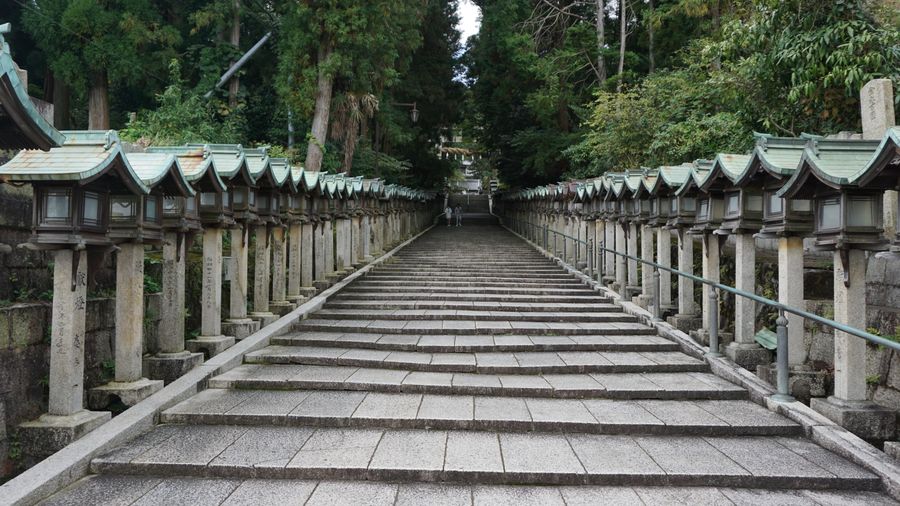
Wooded or landscaped precinct paths.
Votive plaques and charms (etiquette applies).
Matsuri events on the shrine calendar.
Often combined with local temples.
Do I need tickets for Shrine?
Yes. Most visits need an entry ticket, pass, or timed reservation. For a basic ticket only, buy from the official operator. If you prefer mobile tickets, flexible cancellation, or combos, a trusted partner such as Headout is a solid option.
When is the best time to visit?
Shoulder seasons often mean milder weather and shorter lines. Peak summer and holidays are the busiest.
How long should I plan?
Allow at least a few hours for highlights; popular parks and complexes easily fill a full day.
Are prices on this page guaranteed?
No. Treat any figures as approximate. Confirm current rates on the official Shrine site or on the partner page you book with.
Is Shrine suitable for kids?
Many areas are family-friendly, but check stair counts, heat exposure, and any age or height limits for specific attractions.
What should I bring?
Comfortable shoes, water, weather-appropriate layers, and offline maps if cell service is unreliable.
Meiji Jingu is a Shinto shrine set within a forested park in Shibuya, Tokyo, Japan, near Harajuku.
Dedicated to Emperor Meiji and Empress Shoken, it's reached through towering wooden torii gates along a gravel approach lined with donated sake and wine barrels, with an inner shrine, treasure museum, and the Meiji Jingu Gyoen garden. It's one of Tokyo's most visited religious sites.